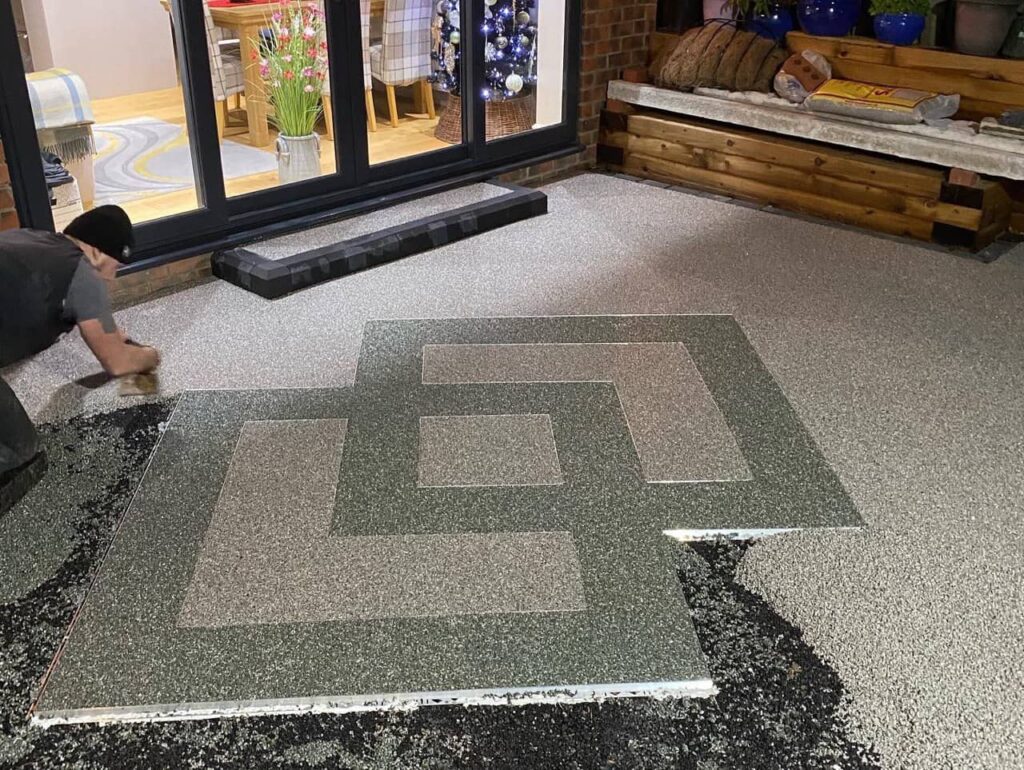
Choosing the right patio surface can make a significant difference to the appearance and usability of an outdoor space. A well-designed patio provides a comfortable area for relaxing, entertaining and enjoying the garden, while also complementing the style of the property.
Two popular options are resin-bound surfacing and traditional paving slabs. Both can create attractive outdoor spaces, but they differ in appearance, maintenance requirements and installation considerations. For homeowners in Epping Forest, Essex, understanding these differences can help when deciding which surface is best suited to their property.
Understanding Resin-Bound Patio Surfacing
A resin-bound patio is created by mixing natural stone aggregate with a clear resin before applying the mixture to a prepared base. Once cured, it forms a continuous surface with a smooth, textured appearance.
One of its main attractions is the wide choice of aggregate colours and blends. Homeowners can select subtle natural tones to complement existing garden features or choose contrasting shades to create a more distinctive design.
Because the stones are bound together, the finished surface does not have the individual joints associated with conventional paving slabs. This creates a seamless appearance that can work particularly well in contemporary garden designs.
A properly installed resin-bound surface is also permeable, allowing water to drain through the small spaces between the aggregate particles when supported by a suitable permeable base.
Understanding Traditional Paving Slabs
Paving slabs offer a more structured appearance, with individual units arranged in planned patterns across the patio. They are available in different materials, sizes, colours and finishes, including natural stone and manufactured concrete.
The joints between slabs create visible lines that can be used to establish a particular layout. Large-format slabs can produce a simple, modern appearance, while smaller paving units or mixed sizes can create a more traditional design.
Paving also offers flexibility when creating defined sections, borders and decorative arrangements. This makes it suitable for homeowners who prefer a patio with a clear geometric layout or a more traditional finish.
However, the final appearance depends on accurate installation, consistent spacing and suitable jointing materials.
Comparing Appearance and Design Flexibility
Resin-bound surfacing and paving slabs offer different visual qualities.
Resin-bound patios provide a continuous finish with natural aggregate textures. Their flexibility makes them suitable for curved edges, flowing pathways and outdoor areas where a seamless appearance is preferred.
Paving slabs create a more defined structure. Their individual shapes and joint lines can add character, while different laying patterns allow homeowners to personalise the layout.
The best option depends on the property’s architecture and the intended garden design. A resin-bound patio may suit a space where a consistent finish is important, whereas paving slabs can be more appropriate when the aim is to create a traditional paved area with distinct sections.
Maintenance Requirements Compared
Maintenance is another important consideration when choosing between these surfaces.
Resin-bound patios are generally straightforward to maintain. Regular sweeping removes leaves and loose debris, while occasional gentle washing helps keep the aggregate looking clean. Their continuous finish also avoids the conventional joints found between paving slabs, where weeds and dirt can accumulate.
Paving slabs may require more attention to their joints. Weeds can establish themselves where jointing material has deteriorated, and individual slabs may become uneven if the supporting base moves or weakens. Periodic cleaning and replacing damaged jointing material can help maintain the patio’s appearance.
Neither option is completely maintenance-free. Resin-bound surfaces can still accumulate dirt and organic growth, while paving slabs may develop staining or discolouration depending on the material and surrounding conditions.
Drainage and Surface Performance
Drainage should be considered carefully when planning any patio installation. Poor water management can contribute to standing water, surface staining and problems around the property’s foundations or garden areas.
A permeable resin-bound surface can allow rainwater to pass through the finished layer, provided the underlying construction is designed to support drainage.
Traditional paving slabs are generally less permeable across their surface. Water is usually directed towards suitable drainage points through the falls and levels incorporated during installation. The joints may allow some water through, but they should not be relied upon as the main drainage system.
For both options, a properly prepared base and suitable drainage arrangement are essential to long-term performance.
Durability and Installation Considerations
Both resin-bound patios and paving slabs can provide long-lasting outdoor surfaces when installed correctly. However, their performance depends on preparation, materials and the condition of the supporting base.
Resin-bound surfacing requires the correct aggregate-to-resin mix, suitable weather conditions during installation and a stable base. Poor preparation or incorrect application can lead to loose stones, cracking or surface defects.
Paving slabs also require careful groundwork. An unstable base, inadequate bedding or poorly prepared joints can result in rocking slabs, uneven sections and water-related problems.
Professional installation helps ensure that the chosen surface is appropriate for the intended use and that important details, such as edges, levels and drainage, are addressed.
Which Patio Surface Is Right for Your Property?
The right choice depends on the appearance you want, how you intend to use the patio and the amount of maintenance you are comfortable carrying out.
Resin-bound surfacing is worth considering if you prefer a seamless finish, natural aggregate colours and a relatively straightforward cleaning routine. Paving slabs may be more suitable if you want a traditional layout, clearly defined patterns or the distinctive appearance of individual paving units.
It is also worth considering how the patio will connect with existing paths, driveways and garden features. A consistent design can help create a more cohesive outdoor space.
Epping Forest Resin Driveways can help homeowners in Epping Forest, Essex, explore resin-bound surfacing options for their patios and outdoor areas. If you are considering a new patio or improving an existing space, contact the team to discuss your requirements and find a suitable design.
Conclusion
Resin-bound patios and paving slabs both offer attractive and practical ways to improve an outdoor space, but their appearance and maintenance needs differ. Resin-bound surfacing provides a smooth, continuous finish with flexible design options, while paving slabs offer a more traditional look with individual patterns and defined joints.
By considering drainage, installation requirements, everyday use and the overall style of your property, you can make a more informed decision. A carefully planned and professionally installed patio can provide a functional and attractive addition to your home in Epping Forest, Essex.
Call us on: 01992 927293
Click here to find out more about Epping Forest Resin Driveways
Click here to complete our contact form and see how we can help with your driveways.